

Summer School on Regulation of Energy Utilities

Learn the fundamental regulatory principles of the electricity and gas sectors through hands-on, real case activities and examples with instructors from national regulatory authorities from Europe and North America, the European Commission, academia and energy companies.
After this course, you will have a comprehensive understanding of the regulation of distribution, transmission and generation, wholesale and retail markets, demand response and the future of power systems and regulation.
During this residential Summer School, you will have the chance to discuss and learn from your instructors and peers, via interactive classes, Q&A sessions, and a final panel debate.
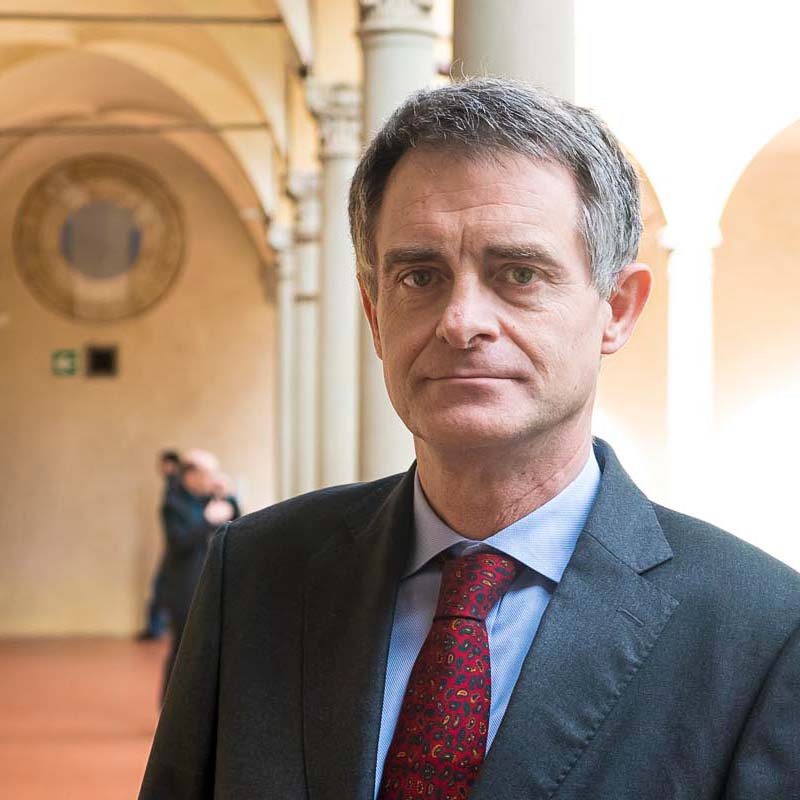
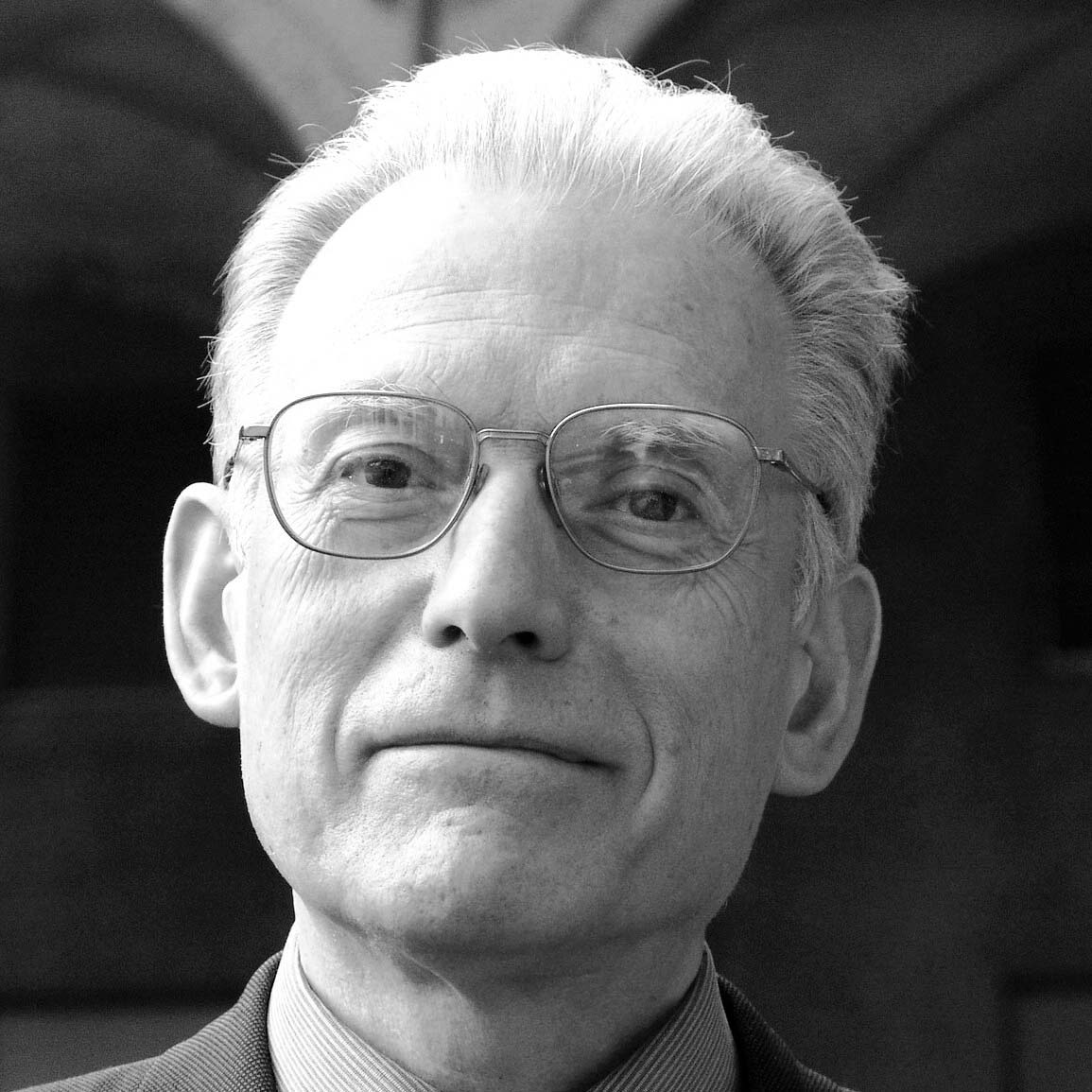
The Summer School on the Regulation of Energy Utilities is directed by Carlos Batlle.
Please note that this is a residential training. Thus, only a selected number of participants will be admitted. Participants will receive a response regarding their admission soon after the registration deadline.
Europe has undertaken the great task of integrating the energy markets at the continental level. Much progress has been achieved thanks to comprehensive policy and regulatory efforts put forth to coordinate the objectives of all market participants in an open, fair and sustainable competitive market. Energy companies, Transmission System Operators, distribution utilities and every market agent has been tasked to align local policies and regulatory frameworks with a more and more comprehensive European regulatory framework that fosters cross-border exchange and cooperation.
FSR Summer School on Regulation of Energy Utilities will provide the most up-to-date and comprehensive view of the key regulatory principles, actions and implications of the current regulatory framework, highlighting the key challenges for the alignment of the industry with the policy goals of sustainability and security of supply.
The Summer School balances theory with practice with key practical case examples illustrated directly by the agents and decision-makers involved, including former and current energy regulators, renowned academics and professionals from leading energy companies.
The aim of the training is:
- To provide a comprehensive view of the institutional structure for energy regulation and policy making in Europe
- To contrast the electricity and gas industries recognizing the common and particular challenges that each sector is expected to face towards the completion of the European internal energy market
- To explore in depth the characteristics of the electricity and gas markets in Europe providing practical examples from Europe, North and South America
- To illustrate the European strategy for infrastructure development for gas and electricity through regulation and financing
- To demonstrate the challenges and new opportunities provided by the retail markets, active consumer participation and demand as valuable counterpart in the balancing of the system
- To discuss mechanisms to support renewable energy and ways of their development
- Theory and principles of regulation
- Restructuring of the power industry
- Traditional regulation
- Regulating quality of service
- The Price Coupling of Regions for the European electricity market
- Electricity transmission and distribution networks
- Renewable energy support mechanisms and electricity tariff design
- Retail electricity markets
- Gas markets and infrastructure
After completing the course the participant will be able to:
- Differentiate the European regulatory and policy making structure for the electricity and gas sectors.
- Assess the current state of implementation of the electricity and gas markets in the roadmap to the internal energy market.
- Distinguish the particularities of the North and Latin American energy markets in comparison with the European energy sector (market and infrastructure.)
- Characterize the European regulatory framework for electricity and gas infrastructure.
- Recognize the challenges behind the implementation of retail markets, identifying the key ingredients needed for a successful retail market with active consumer participation.
- Identify the basic principles for implementation of support mechanisms and new tariff designs.
The course starts from basic introductory material and then aims to cover the major subjects of energy regulation in depth. Instructors will provide a lecture focusing on the key theoretical concepts complemented by real and current examples from the industry. Interactive tools and activities involving the participants are utilized to enhance the discussion and improve the learning experience.
Lectures will be held from Monday to Friday.
The Summer School is a highlights training giving participants an introduction to the topic with the newest updates from the field. The Highlights trainings give you an introduction to the topic with the newest updates from the field.
- Take your first step into energy regulation.
- Gain an understanding of key concepts.
- Cover the most essential and interesting topics.
The training is designed for professionals from energy companies and representatives from National and European Regulatory Authorities, but also academics and researchers. The training is open for those looking to develop a career in the energy regulation sector of the gas and electricity industry.
No specific academic background is required although the knowledge of engineering or economics is recommended.
A basic knowledge or experience in energy regulation or policy making is expected from the participants.
The training is given in English.
Please note that only a selected number of participants will be admitted. Participants will receive a response regarding their admission soon after the registration deadline.
The European Distribution System Operators’ Association (E.DSO), the European Network of Transmission System Operators for Electricity (ENTSO-E), the Union of the Electricity Industry – Eurelectric (Eurelectric) and the Florence School of Regulation (FSR) have the pleasure of announcing the call for the 9th Ana Aguado Scholarship Award.
Under this joint initiative, two student Scholarships are offered by the above-mentioned partners for participation in the Summer School on Regulation of Energy Utilities held by the FSR in Florence from 30 June to 4 July 2025. Travel and accommodation expenses are also covered. Information on last year’s edition is available here.
The partners will allocate five other candidates ranked after the two winners with the opportunity to attend for free one FSR online community training courses of their choice. These five free seats will be valid for courses starting between May 2025 and July 2026.
How to applyApplications should be sent to veronica.cardoni@edsoforsmartgrids.eu by 28 February 2025 at midnight (24H00 CET) and include the following documents in English (format and maximum length of the documents must be respected to be taken into consideration):
- A Motivation Letter (max. 2500 characters, spaces included, written and sent in Word or OpenOffice) explaining the reasons for your interest and the role this course could represent for your educational and professional life;
- A Short Essay (max. 4000 characters, spaces included, written and sent in Word or OpenOffice)
- on the following topic: The European Commission has announced a review of its 2014 energy security of supply strategy. As war returned to Europe and threats are growing in terms of cyber sabotage, extreme weather and access to raw materials, it launched a public consultation on security of supply and energy security. Which suggestions do you have for updated policies? How can electrification possibly contribute to security of supply? Beyond external factors, how can the EU ensure that the growing presence of renewables and need for flexibility is fully integrated in the EU’s security of supply strategy? Develop your key recommendations in 4000 characters, spaces included, in a Word or OpenOffice format;
- A concise Curriculum Vitae (2 pages max).
Please note that any candidate not respecting the maximum length of the Motivation Letter or the Short Essay will be excluded from the selection process.
Candidates should meet all of the following criteria. If just one of the criteria is not met, candidates will equally not be considered as eligible:
- Ongoing or completed university education at Master’s Level in Economics, Engineering, European/International policy/relations/law or similar;
- Proven interest in the energy sector and familiarity with energy policy issues;
- Fluent in English (the FSR course will be taught in English);
- Not more than 3 years’ work or research experience in the energy sector by 1 January 2025.
A Committee composed of representatives from the above-mentioned partners will assess all applications received and select the Scholarship winners by 15 April 2025 at the latest.
The two Scholarship winners will also be invited to join the Eurelectric Power Summit scheduled in Brussels on 3-4 June 2025 for the winners public announcement. Travel expenses for the participation and accommodation will be covered.
Each year, the Florence School of Regulation – Energy and Climate (FSR Energy & Climate) awards scholarships for a wide variety of training courses targeting a broad audience of professionals and academics.
Applications will be assessed by a Selection Committee of FSR members on a yearly basis. The successful candidates will be informed after February 2026 and will be provided with all relevant information on how to enroll in the online course or residential training of their choice.
Send your application by 25 January 2026.
Fees
- General fee: 4,510 EUR
- Associate Donor 10%: 4,059 EUR
- Major Donor 20%: 3,608 EUR
- Star Donor 25%: 3,382 EUR
The fee includes participation in the training, coffee breaks, lunches, aperitivo, and dinner. Travel and accommodation expenses are not included.
Group discounts are not available for this course.
Cancellation Policy
Paid registration fee is non-refundable. However, registrant substitution may be made up to 20 days before the start date of the course.
For more information, please read the full FSR cancellation policy.
Please arrange your travel and accommodation as soon as possible as Florence is very popular in this period.
The fee covers participation in the training, coffee breaks, lunches, and any meals or social activities outlined in the event programme. Travel and accommodation costs are not included.
This is a fully residential training course, and classes will be held in Florence on 30 June – 4 July 2025.
By submitting your application, you are committing to pay the corresponding fee.
Event venue
Sala Europa
Villa Schifanoia
Via Boccaccio 121, I-50133
Florence, Italy
How to reach the venue
Information to reach the venue available at this link.